Scarborough Pest Control services
Comprehensive Pest Control Services: Protect Your Home from Pests Throughout the Year
Maintaining a bug-free home is an essential concern for most households. Effective pest control solutions are necessary to avoid pest problems that present dangers to health and property. Recognizing frequent pests and their habits is the first step. Identifying signs of an infestation early can have a major impact. What steps can be implemented to secure a home against unwanted pests? The guidance presented here delivers proven approaches to maintaining a pest-free household.
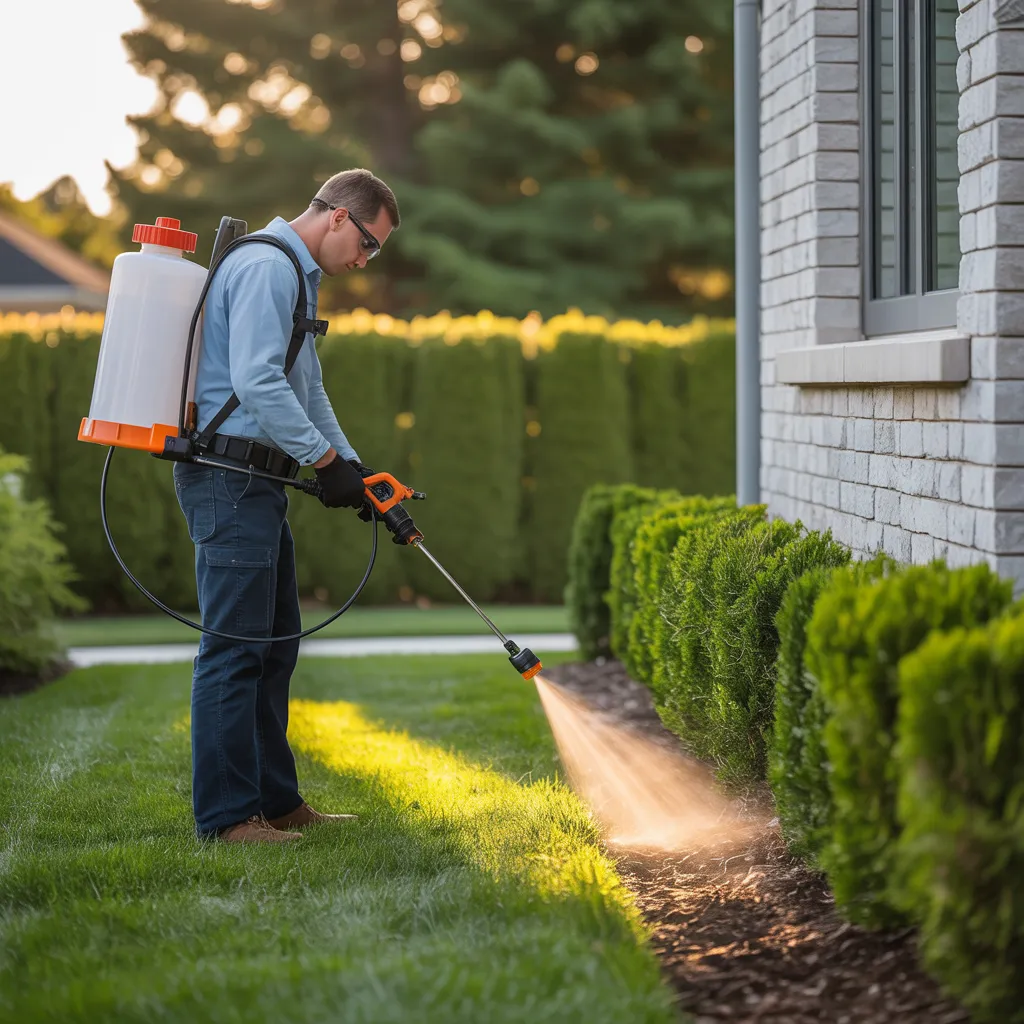
Learning About Everyday Household Pests and Associated Risks
Numerous homes face various types of common pests that present serious threats to personal health and property. Common rodents like mice and rats, are infamous for polluting food sources and transmitting illnesses like hantavirus and salmonella. Insects, including cockroaches and ants, can cause allergic reactions and worsen asthma while also compromising structures and electrical wiring. Termites, often referred to as "silent destroyers" due to their nature, can undermine the stability of wooden frameworks, leading to costly repairs. Bedbugs, previously thought to be nearly wiped out, have resurged and can cause disrupted sleep and emotional distress. Additionally, mosquitoes are not only nuisances but can transmit serious diseases like West Nile virus and related infections. Gaining knowledge about these pests and their risks is vital for all homeowners, as it can guide effective pest management strategies and safeguard both health and property from the risks these pests present.
How to Recognize Early Signs of Infestation
Detecting pest infestation signs at an early stage plays a vital role in effective control. Frequent signs of infestation, including strange sounds and odors, as well as noticeable damage, can alert homeowners to potential problems. Detecting these warning signs quickly can aid in minimizing severe harm and associated health risks.
Common Signs of Pest Presence
Detecting the initial signs of a pest infestation is vital for effective management. Residents should be attentive for typical indicators that suggest a potential problem. Apparent droppings, such as minute dark particles or fragments, can reveal the presence of rodents or insects. Moreover, gnaw marks on food packaging or structural elements may suggest pest activity. Unexplained holes in walls or furniture are also clear signs. Furthermore, the presence of molted shells or abandoned wings can indicate insect infestations. Finally, stains or smudges along floor edges and access areas may imply pest movement. Timely identification of these indicators can enable swift action, helping to avoid widespread pest problems and sustaining a pest-free living environment.
Odd Sounds and Smells
In what ways can strange noises and odors indicate a pest infestation? Homeowners need to stay vigilant about unusual sounds, such as scratching, scurrying, or gnawing, most notably during periods of silence. These noises often indicate hidden pests, including rodents or insects, nesting within walls or ceilings. Additionally, unfamiliar odors can serve as Scarborough Pest Control vital warning signs. A musty or foul smell might suggest the presence of decaying pests or droppings, while a sugary, unpleasant smell may be a sign of termites. Recognizing these sound and smell indicators early allows for timely intervention, stopping a small problem from growing into a major infestation. Vigilance regarding unusual noises and smells is essential for maintaining a pest-free environment.
Visible Indicators of Damage
Visible indicators of damage frequently act as critical indicators of a pest infestation. Property owners should remain alert to particular indicators that may expose the presence of pests. For instance, damaged furniture, chewed wiring, or gnaw marks on wood may indicate a rodent problem. Moreover, droppings, shed skin, or egg casings can indicate insect infestations, such as cockroaches or bedbugs. Marks or staining on walls and ceilings may point to termite damage or water leaks caused by pests. Gaps in baseboards or walls are also indicators that should never be dismissed. Timely detection of these visual indicators can allow for immediate response, preventing further damage and maintaining a pest-free environment. Routine checks can help identify these indicators before they worsen.
How to Proceed After Finding an Infestation?
After identifying an infestation, immediate action is essential to prevent further damage. The first step involves identifying the type of pest and measuring the scale of the pest problem. This information can guide the best course of treatment. Furthermore, residents should look into blocking entry locations to restrict pest entry and remove any food sources that might entice them.
For minor infestations, store-bought pest control solutions may suffice, but in situations involving extensive or recurring infestations, seeking the help of a licensed exterminator is recommended. Such experts are equipped with the skills and resources needed for effective pest removal.
Furthermore, documenting the infestation can be beneficial, as it aids in following the situation and advises pest management experts. Lastly, it is vital to copyright a hygienic home environment to support ongoing pest management efforts. Swift and determined action can significantly reduce the dangers linked to pest infestations, providing a cleaner, safer household environment.
Key Prevention Methods to Repel Household Pests
To successfully prevent household pests, property owners should apply a variety of protective strategies that create an inhospitable environment for unwanted visitors. To begin, filling cracks and small spaces around windows, doors, and foundations is of utmost importance, as these openings provide easy access for unwanted creatures. Furthermore, placing food in airtight storage vessels can considerably limit the factors that attract pests.
Routinely wiping down kitchen surfaces and immediately removing garbage effectively limits food sources. Homeowners should also guarantee proper drainage and eliminate standing water to prevent breeding grounds for insects.
Keeping a tidy and organized space, both indoors and outdoors, minimizes the areas where pests can take shelter. Additionally, trimming vegetation away from the home can reduce pathways for pests to enter. By implementing these methods, residents can create an effective pest prevention plan, reducing the chances of pest infestations year-round.
Effective DIY Pest Control Tips
Useful DIY pest control methods enable homeowners to manage infestations with reduced cost and effort. Using natural repellents and effective home cleaning methods, along with sealing entry points, can significantly reduce the likelihood of pest issues. Adopting these methods promotes a healthier home environment while promoting long-term prevention.
Natural Repellents And Deterrents
Many homeowners seek eco-friendly repellents and deterrents as an environmentally conscious method to keeping pests at bay. Frequently used ingredients consist of essential oils like lavender, eucalyptus, and peppermint, which are recognized for their effectiveness in repel ants, spiders, and other insects. Vinegar acts as a highly effective solution, effectively deterring pests when used as a spray around entry points. Diatomaceous earth represents another natural choice; its fine powder can be sprinkled in spots susceptible to pest activity, effectively dehydrating insects that come into contact with it. Furthermore, growing pest-deterring herbs such as rosemary and basil in garden beds can establish a natural protective boundary. By implementing these natural strategies, homeowners can enjoy a pest-free living space without the need for harsh chemical products.
Home Cleaning Techniques
Natural repellents and deterrents can serve as a solid foundation for a pest control strategy, but maintaining a clean home environment is equally important. Routine vacuuming of carpets and rugs removes food particles and debris that draw pests in. Furthermore, cleaning surfaces with soapy water eliminates residues that may attract insects. It is essential to keep food stored in airtight containers and to promptly clean up spills to deter pests from gathering. Clearing out clutter limits potential hiding spots, making it increasingly challenging for pests to survive. Routinely removing garbage and maintaining sealed bins further limits pest attractants. By adopting these cleaning practices, homeowners can establish an unwelcoming environment for pests, reinforcing the benefits of natural repellents and boosting overall pest control measures.
Close Off Entry Points
Closing off entry points is a critical step in keeping pests out of a home. Numerous pests, including rodents and insects, can enter through small gaps and holes. Homeowners are advised to start by checking the outer walls for cracks in walls, openings around window frames, and spaces around doors. Applying caulk or weather stripping can reliably seal these spaces. Furthermore, screens should be fitted to windows and vents to deter insects. It is also important to copyrightine utility lines and pipes for possible entry points and seal them appropriately. Routine maintenance of these protective measures can greatly reduce the chances of pest intrusions. By implementing these preventive steps, homeowners can develop a more unwelcoming setting for uninvited pests.
When to Hire the Experts for Pest Control
Knowing when to seek professional pest control services represents a significant consideration for any homeowner. If a pest infestation exceeds manageable levels—such as a significant presence of rodents, termites, or cockroaches—the assistance of an expert may become essential. Furthermore, homeowners ought to seek professional assistance when DIY approaches prove ineffective after multiple attempts. Pest issues that pose health risks, like bedbugs or wasps, warrant immediate professional attention due to potential allergic reactions or disease transmission.
Moreover, if the infestation reoccurs frequently, it might point to underlying causes that necessitate professional expertise to handle. Homeowners should additionally contact professionals when handling pests in areas that are hard to reach, since professional-grade equipment is critical for thorough eradication. Ultimately, recognizing the signs of a serious infestation and understanding the limitations of DIY methods can help homeowners make informed decisions about when to enlist the assistance of pest control professionals.
Year-Round Pest Control Tips for Every Season
Even though pests may infiltrate homes at any point, homeowners can take proactive measures throughout the year to limit threats and achieve reliable pest prevention. During the spring season, regular yard maintenance—including clearing debris and closing off entry points—can discourage insects seeking nesting areas. The summer season requires vigilant monitoring, as ants and mosquitoes grow increasingly active; homeowners should employ traps and eliminate standing water.
When fall begins, it's essential to inspect for cracks and gaps that rodents might exploit as they search for warmth. Furthermore, sealing food in airtight containers can assist in preventing pantry pests. In the winter months, keeping a tidy home is key; regular cleaning reduces attractants. Homeowners should also copyrightine insulation and storage zones for evidence of pest activity. By following these seasonal approaches, homeowners can establish a comprehensive barrier against pests, maintaining a pest-free and comfortable home all year long.
Frequently Asked Questions
What Eco-Friendly Pest Control Options Are Most Effective?
Eco-friendly pest control options consist of essential oils, diatomaceous earth, and natural biological controls such as beneficial insects. Such techniques limit ecological damage while efficiently addressing pest problems, promoting a healthier ecosystem in residential areas without harmful chemicals.
How Do You Safeguard Pets From Pest Control Treatments?
To keep pets safe from pest control procedures, ensure they are placed in separate, secured areas until the chemicals have dried. Apply pet-safe solutions, seek professional advice, and comply with all safety instructions to limit contact and ensure their safety.
Are There Specific Pests That Require Professional Treatment Only?
Specific pests, including termites, bedbugs, and rodents, usually demand professional intervention because of their harmful nature and associated health hazards. Do-it-yourself approaches commonly fail to achieve thoroughly addressing these stubborn pest problems.
How Frequently Should Pest Control Treatments Be Arranged?
Pest management treatments ought to be planned on a three to six month basis, based on the type of pest problems and surrounding conditions. Regular inspections help identify problems early, providing reliable management and helping to prevent pest infestations.
What Are Common Myths About Pest Control That Should Be Addressed?
Widespread misconceptions about pest control involve the notion that all pesticides are dangerous, that pests only invade dirty homes, and that do-it-yourself approaches are consistently reliable. Addressing these misconceptions can lead to better pest management practices.